Institute for Flow in Applicable Porous Media (ISAPS)
We understand porous media—and make them work for you!
Flow, transport, and particle capture in porous media: We combine simulation and experimentation to answer your questions regarding product development and application.
Our Areas of Expertise
Seven Pathways to Our Research
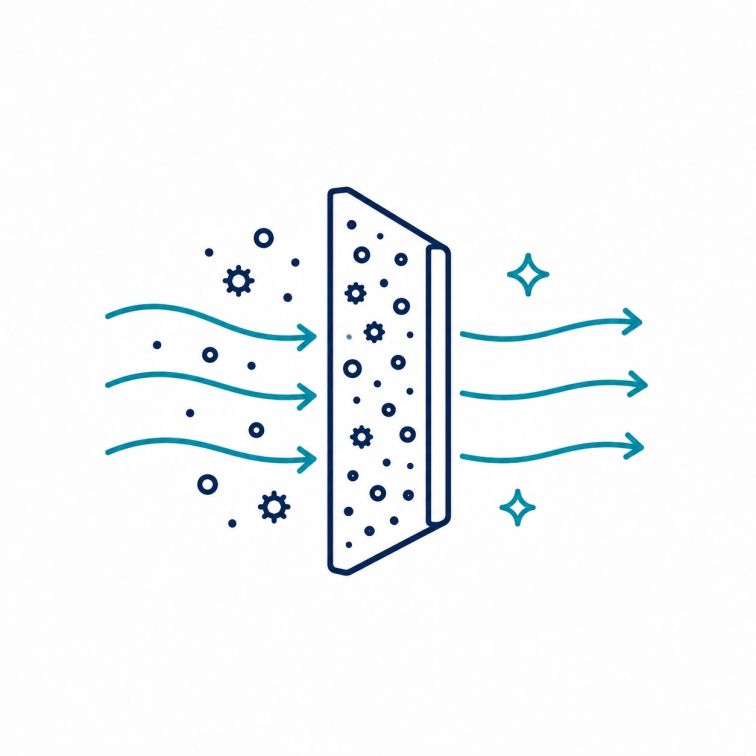
Filtration
microCT, simulation, particle test benches,...
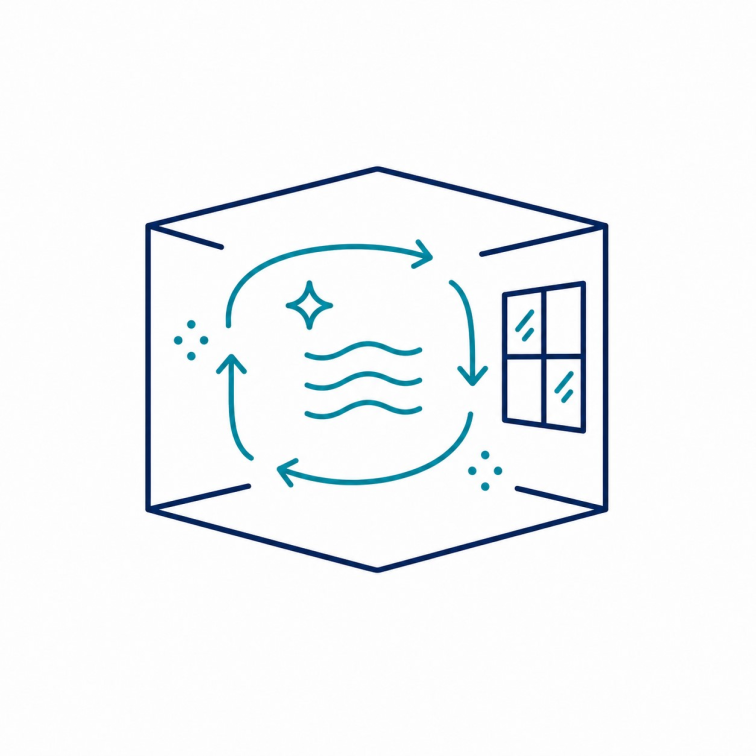
Indoor Air
Ventilation, filtration, thermal comfort, energy consumption,...
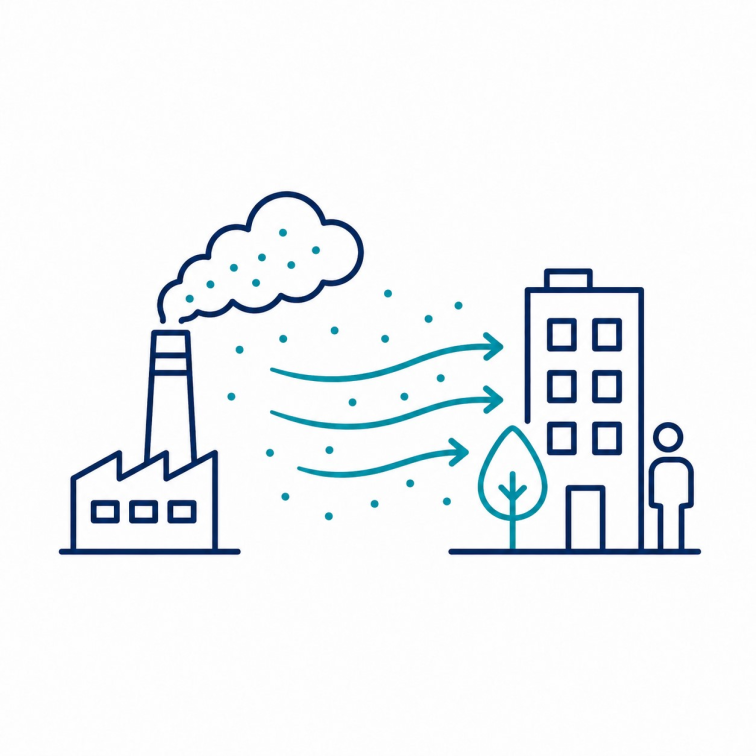
Emissions & Immissions
Real driving measurement by PEMS, exhaust gas treatment,...
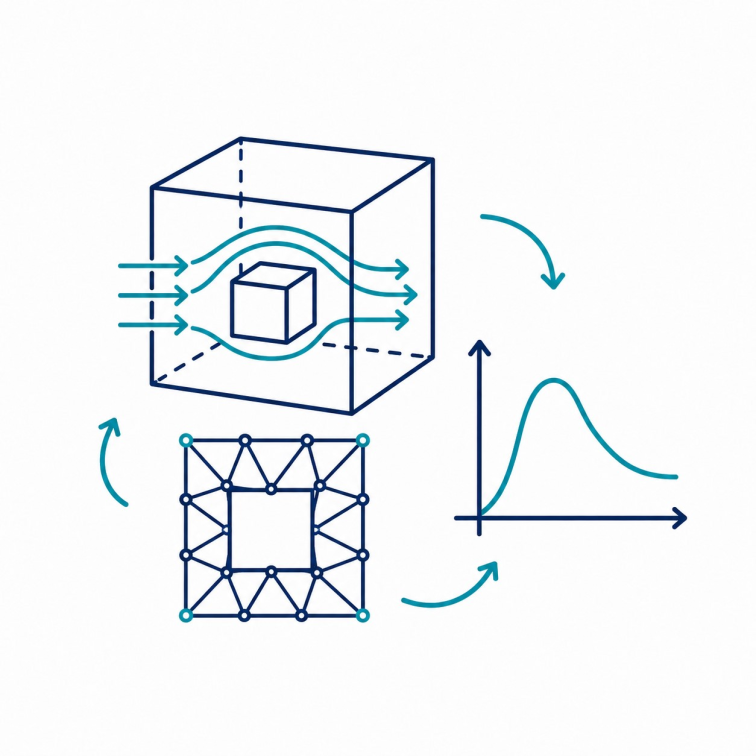
Modeling & Simulation
Efficient solvers, material models, the method of complex variables,...
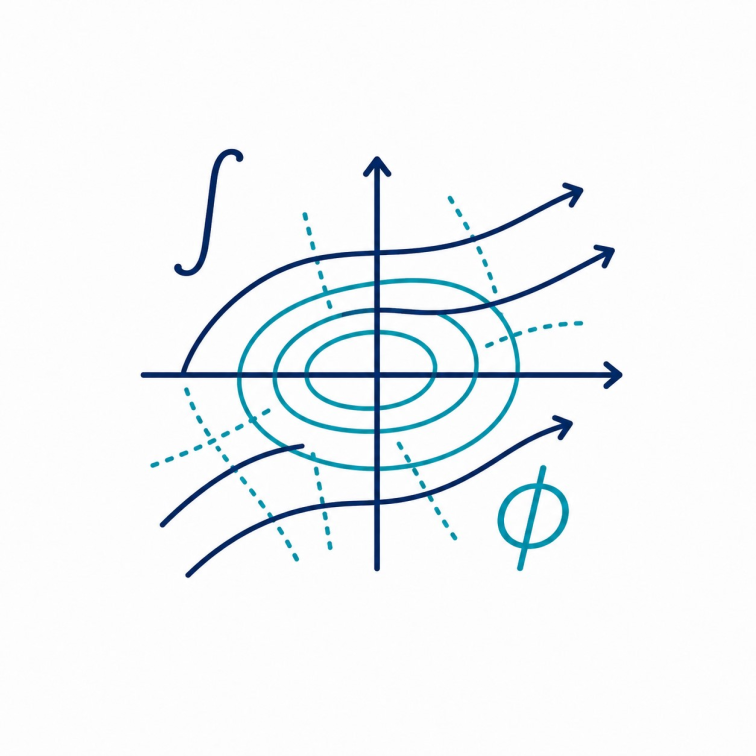
First Integrals and Potential Methods
Simplifications for, among other things, unsteady flow, hydrodynamic stability,...
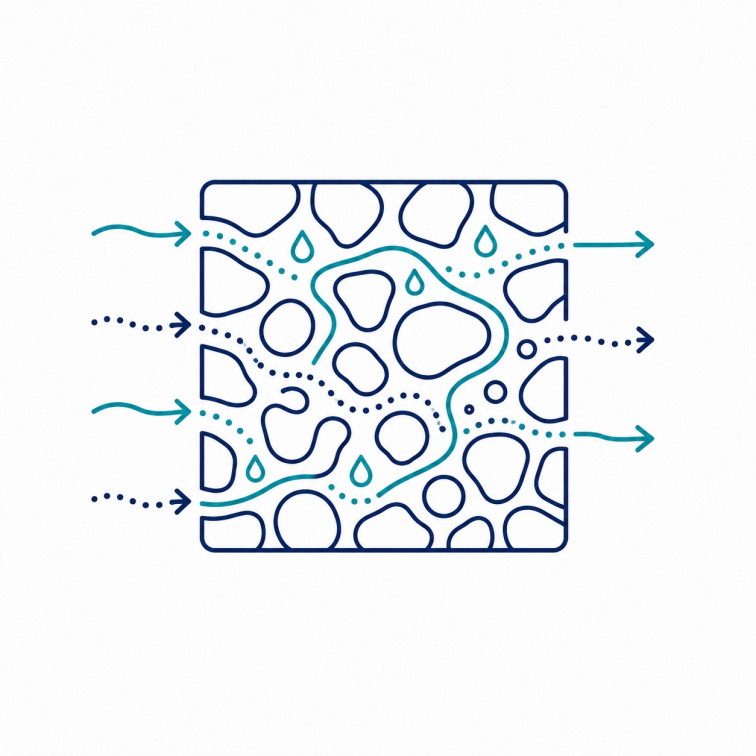
Multiphase Flow in Porous Media
Modeling and simulation
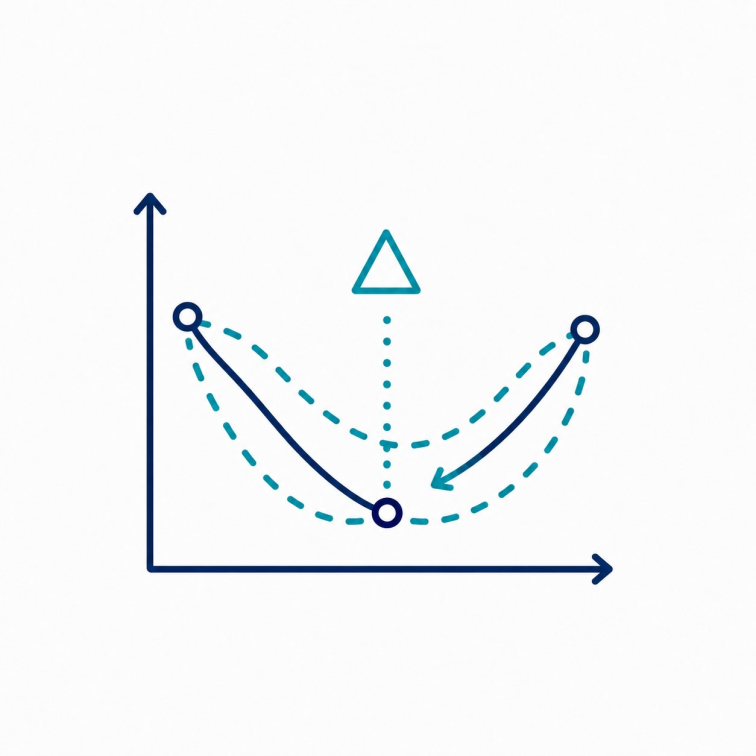
Variational Methods
Efficient simulation methods, including those based on quantum theory
In short
ISAPS is a research institute located on the TechCampus of Heilbronn University of Applied Sciences. Three professorships and an active research team carry out interdisciplinary projects focused on the design and application of porous media.
Three Ways to Collaborate
Joint Project
Is your consortium missing a specific area of expertise? We contribute scientific methodology and project experience in modeling and measurement technology.
Contract Research
Do you have a specific research question - even one requiring confidentiality? We understand the fundamentals of physics, apply simulation tools and conduct experiments.
Thesis Projects and Student Collaboration
Looking for a student project with a real-world research focus? We offer a wide range of topics, from analysis to system interactions.
We'll help you bring your project to completion!
News & Events
How to capture tire and road wear particles? A filter-based system could reduce non-exhaust particle emissions in the future.
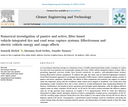
Tire and road wear are a significant source of traffic-related fine particulate matter emissions. A recent study by our Research Master’s student Dominik Ehrlich used numerical flow simulations to investigate how these particles can be captured directly at the vehicle.
The study focused on passive and actively assisted, vehicle-integrated filtration systems. The results show that, particularly at low speeds, active assistance can significantly improve particle capture: At 30 km/h, the capture rate for 10-µm particles increased from a maximum of about 3% to approximately 40–58%. At the same time, the additional energy requirements and their impact on the range of electric vehicles were analyzed. In the future, speed-dependent control could help optimize particle separation in urban traffic while limiting energy consumption at higher speeds.
Go to publication:
First successful doctoral ddfense at HHN - ISAPS was part of it!
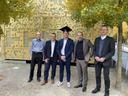
On 4 November 2026,Benjamin Hartmann successfully defended his doctoral thesis entitled "Simulationsbasierte Kompensation rückfederungsbedingter Form- und Maßabweichungen komplexer Karosseriebauteile".
This was also the first doctoral procedure at Heilbronn University of Applied Sciences conducted through the Association for Doctoral Studies Baden-Württemberg (Promotionsverband). The first reviewer was Prof. Dr.-Ing. Arndt Birkert from the Center for Metal Forming Technologies and Car Body Engineering. Guests from other universities also attended: Prof. Dr.-Ing. Matthias Deckert (Esslingen University of Applied Sciences) as chair of the doctoral committee and Prof. Dr.-Ing. Paul Helmut Nebeling (Reutlingen University) as external reviewer. ISAPS member Prof. Dr. rer. nat. Markus Scholle was also present at this historic event as second reviewer. He previously coordinated the ZIM project "Simulationsbasierte Entwicklung eines neuartigen Verfahrens zur abwicklungs- und flächentreuen Rückfederungskompensation" (Simulation-based development of a novel method for springback compensation preserving developability and surface area), whose results laid the foundation for this thesis.
The future of filtration! What will the world of filtration look like tomorrow? Exciting insights and discussions at the 17th IUTA FiltrationsTag
At the 17th Filtration Day of the Institut für Umwelt & Energie, Technik & Analytik e.V. (IUTA), the focus was on future technologies in filtration, encompassing climate change, sustainability as well as new sensor technologies and AI. In addition to presentations, the future topics were examined from various perspectives in a panel discussion.
ISAPS was represented by Jennifer Niessner, who contributed aspects of energy efficiency in ventilation and filtration technologies as a participant in the panel discussion and through her presentation on the topic "Indoor air quality in times of climate change – how do we achieve healthy air in an energy-efficient way?"
